
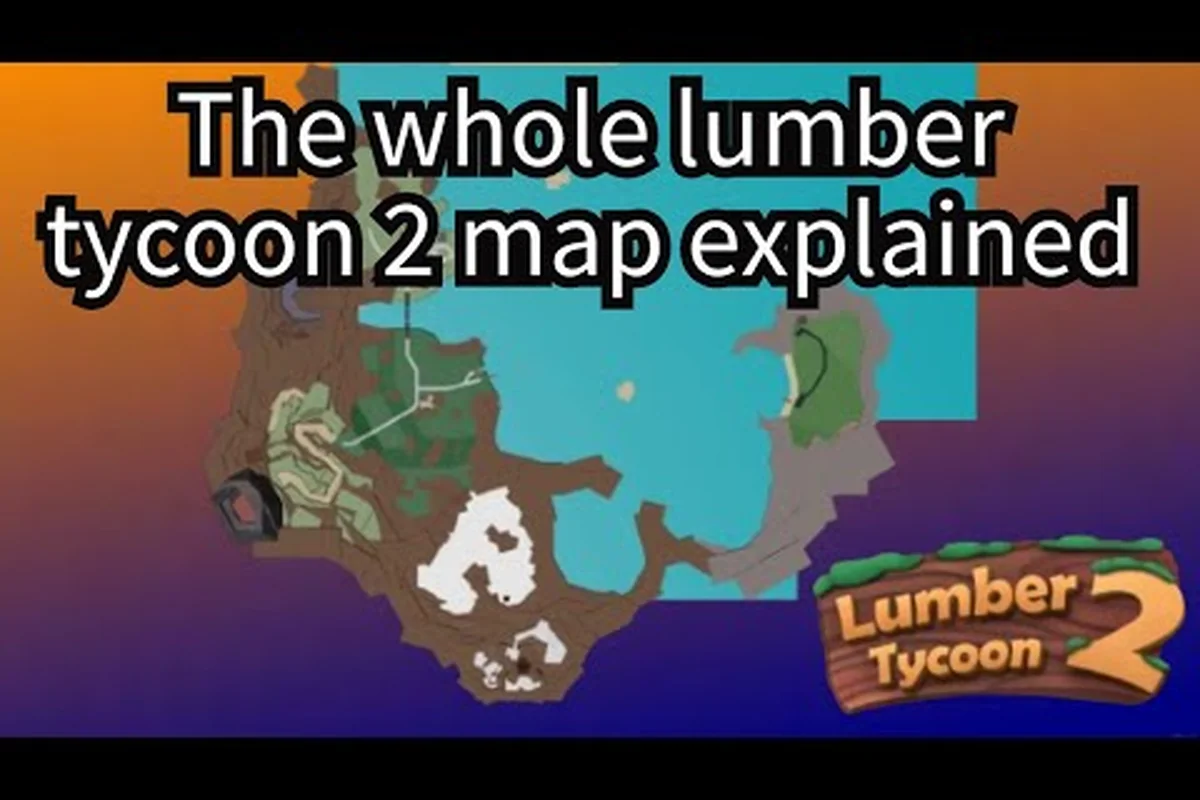
The lumber tycoon 2 safari region is one of the most misunderstood areas in Lumberland, largely because its flat, empty appearance hides several critical navigation routes. Players who learn its layout early can cut travel time between the Main Biome, the Swamp, and the Tropics by several minutes. This guide breaks down every feature, shop, and passage in the Safari so you can move through it with confidence instead of wandering in circles.
Safari Region Overview and Biome Connections
The Safari sits directly north of the Main Biome, forming a large, flat expanse that acts as a geographic bridge between several of Lumberland's most valuable wood-producing regions. According to community data from the community wiki reference for Safari, the Safari supports up to 110 trees at any given time, which makes it one of the higher-capacity harvesting zones in the game. The region primarily spawns Walnut Wood, Elm Wood, and Cherry Wood, though during October's Halloween events players can also find Spook Wood and Sinister Wood growing among the standard trees.
The Safari's position within the broader set of lumber tycoon 2 biomes matters more than most players realize. Unlike the dense, visually distinct Tropics or the vertical challenge of the Mountainside, the Safari presents as an open, almost featureless plain. That openness is deceptive, because the region contains three separate exit routes that lead to completely different parts of the map. The Safari Mountain Passage climbs toward the Swamp, the Safari Hole drops players toward remote areas, and the main road connects back to the Main Biome's northern edge.
| Region | Direction from Safari | Primary Wood Types | Max Trees |
|---|---|---|---|
| Main Biome | South | Oak, Birch, Cherry | 80 |
| Swamp | North (via Mountain Passage) | Swamp Wood, Spook Wood | 60 |
| Tropics | East (via road network) | Palm Wood, Lava Wood | 70 |
| Safari | Current region | Walnut, Elm, Cherry | 110 |
The Safari's role as a hub between lumber tycoon 2 regions becomes clear when you trace the road network. The main road that enters from the Main Biome continues northward and eventually curves toward the Safari Square shopping area. From there, a separate ramp system leads up into the mountains that border the Swamp. Players who understand these connections can use the Safari as a staging ground for multi-region harvesting runs, loading up on Walnut and Elm before pushing into the Swamp for rarer wood types.
Safari Square: Shops and Navigation
Safari Square, also called the Safari Shopping Court by some players, is a roughly circular area tucked behind a large rock formation within the Safari. The community wiki page on Safari Square describes it as containing two primary shops: Fancy Furnishings and Boxed Cars. Finding the Square requires following the road from the Main Biome entrance and watching for the rock that obscures the turnoff, which is why many new players miss it entirely on their first pass through the region.
The shops in Safari Square serve distinct purposes that make the detour worthwhile. Fancy Furnishings stocks decorative items and furniture pieces that can't be purchased elsewhere, giving players access to unique base customization options. Boxed Cars sells vehicles in boxed form, which players can transport back to their base and unpack. The boxed format matters because it allows players to move vehicles through areas where driving would be impractical or impossible.
| Shop Name | Items Sold | Unique Value |
|---|---|---|
| Fancy Furnishings | Furniture, decorations | Exclusive cosmetic items |
| Boxed Cars | Boxed vehicles | Transport vehicles through tight areas |
| Wood Drop-off | Selling station | Cash in Safari wood without returning home |
Navigating to Safari Square
Reaching Safari Square requires more than just following the main road. The turnoff sits behind a large rock formation that blocks direct line of sight from the road, so players must actively look for the gap rather than expecting the Square to appear on the horizon. Community reports suggest approaching from the south and hugging the eastern edge of the rock until the circular clearing opens up.
Once inside Safari Square, the layout is intentionally simple. The two shops face each other across the circular clearing, with enough space between them for vehicles to turn around. A wood drop-off point sits nearby, allowing players to sell Safari wood without making the long trip back to the Main Biome's primary selling stations. This convenience factor makes Safari Square a practical mid-run stop for players harvesting Walnut or Elm in bulk.
The Safari Hole: A One-Way Exit
The Safari Hole is perhaps the strangest geographic feature in the entire Safari region. According to the Lumber Tycoon 2 wiki entry, it is a featureless hole carved into the Safari's cliffside that functions as a one-way exit from remote areas of Lumberland. Players who enter the hole are transported to a different location, but the transport only works in one direction, which means the Safari Hole cannot be used to return to the Safari from wherever it deposits you.
The hole's connection points include the Maze and the Lone Cave, two areas that are otherwise difficult to reach through normal navigation. The transport mechanic applies to both the player and any loose items placed inside the hole, provided those items can physically fit through the opening. This creates an interesting logistical option for players who want to move certain items out of remote areas without carrying them manually across long distances.
| Feature | Detail |
|---|---|
| Type | Tunnel passage |
| Location | Cliffside at the Safari |
| Direction | One-way exit only |
| Connected areas | Maze, Lone Cave |
| Transport capacity | Player + loose items that fit |
Using the Safari Hole Effectively
Because the Safari Hole only works as an exit, players should never enter it expecting to return through the same route. The hole deposits players somewhere outside the Safari, which means any wood or items carried through will need to be transported back through normal means. This one-way nature makes the Safari Hole a last-resort escape route rather than a primary navigation tool.
The loose item transport mechanic has practical applications for players who find themselves stuck in the Maze or Lone Cave with valuable items. Dropping those items into the Safari Hole sends them through the same transport system, potentially saving a long walk back through dangerous or confusing terrain. However, community testing suggests that item transport through the hole can be unreliable, so players should test with low-value items before committing anything valuable to the passage.
Safari Mountain Passage and the Swamp Connection
The Safari Mountain Passage, also known as the Swamp Path or Safari Path, is a series of ramps built into the mountains at the northern edge of the Safari. This passage serves as the primary route between the Safari and the Swamp, one of the most wood-rich regions in Lumberland. The community wiki notes that Spook Wood and Sinister Wood can grow along this passage during October, adding seasonal value to an already important route.
The passage's ramp system is designed to accommodate vehicles, though the climb can be challenging for slower or less powerful trucks. Players who attempt the climb with a full load of wood should be prepared for reduced speed and potential stalling on the steeper sections. The reward for reaching the top is direct access to the Swamp's unique wood types, which sell for significantly more than the standard Safari varieties.
| Route | Starting Point | Destination | Vehicle Accessible |
|---|---|---|---|
| Safari Mountain Passage | Safari north edge | Swamp | Yes, with difficulty |
| Main Road | Safari south edge | Main Biome | Yes, easy |
| Safari Hole | Safari cliffside | Maze / Lone Cave | No |
Seasonal Wood Along the Passage
During October's Halloween events, the Safari Mountain Passage becomes one of the few places where Spook Wood and Sinister Wood spawn outside their normal regions. This seasonal availability makes the passage a priority destination for players looking to stockpile Halloween-exclusive wood types without venturing deep into the Swamp itself. The wood spawns along the passage's ramps, which means players can harvest while climbing rather than making dedicated trips.
The seasonal wood mechanic ties into the broader lumber tycoon 2 biomes system, where certain wood types only appear in specific regions during specific events. Players who understand these spawn patterns can plan their harvesting routes around seasonal availability, maximizing their wood income during limited-time windows. The Safari's role in this system is as an access point, connecting players to the Swamp's seasonal offerings through the Mountain Passage.
Safari as a Transit Hub Between Biomes
The Safari occupies a unique position among lumber tycoon 2 regions because it functions more as a transit hub than a destination. The Tropics offer dense, visually distinct harvesting grounds with Palm Wood and other tropical varieties. The Mountainside presents vertical challenges and mountain-specific wood types. The Safari, by contrast, offers moderate wood value and excellent connectivity, making it a region players pass through rather than settle in.
This transit-focused design has both advantages and disadvantages. Players who set up operations in the Safari benefit from easy access to multiple regions, but they sacrifice the higher-value wood types available in more specialized areas. The 110-tree capacity in the Safari is generous, but the wood types available there — Walnut, Elm, and Cherry — are all mid-tier options that sell for less than Swamp or Tropics varieties.
| Region | Primary Value | Wood Value | Navigation Difficulty |
|---|---|---|---|
| Safari | Transit hub, mid-tier wood | Medium | Low |
| Swamp | High-value wood, seasonal spawns | High | High |
| Tropics | Dense harvesting, unique wood | High | Medium |
| Mountainside | Vertical challenge, mountain wood | Medium-High | High |
The Safari's Role in Multi-Region Runs
Experienced players often use the Safari as a staging area for multi-region harvesting runs. The strategy involves starting in the Main Biome, moving north through the Safari to harvest Walnut and Elm, then continuing through the Mountain Passage into the Swamp for higher-value wood. This route maximizes wood income per trip by combining mid-tier and high-tier harvesting in a single run.
The key to efficient multi-region runs is understanding the Safari's road network and exit points. Players who know where the Mountain Passage begins, where Safari Square sits, and how the Safari Hole connects to remote areas can navigate the region without wasted movement. For a complete breakdown of all Lumberland's regions, the locations guide covers the full map layout and regional connections in detail.
Frequently Asked Questions
Where is the lumber tycoon 2 safari located?
The Safari sits directly north of the Main Biome, forming a large flat expanse that connects to the Swamp via the Safari Mountain Passage. Players can reach it by following the main road north from the Main Biome's central area, though the turnoff to Safari Square requires watching for a large rock formation.
What wood types spawn in the Safari?
The Safari primarily spawns Walnut Wood, Elm Wood, and Cherry Wood, with a maximum of 110 trees active at any time. During October's Halloween events, Spook Wood and Sinister Wood also appear along the Safari Mountain Passage, adding seasonal variety to the region's standard offerings.
How does the Safari Hole work?
The Safari Hole is a one-way exit located in the Safari's cliffside that transports players and loose items to remote areas like the Maze and Lone Cave. It cannot be used to return to the Safari, so players should treat it as an escape route rather than a navigation tool.
What shops are in Safari Square?
Safari Square contains Fancy Furnishings, which sells exclusive furniture and decorations, and Boxed Cars, which sells vehicles in transportable boxed form. A wood drop-off point nearby allows players to sell Safari wood without returning to the Main Biome.
Can I reach the Swamp from the Safari?
Yes, the Safari Mountain Passage provides a vehicle-accessible ramp system that climbs from the Safari's northern edge into the Swamp. The climb is challenging for slower vehicles, but it offers direct access to the Swamp's high-value wood types and seasonal Spook Wood spawns.