
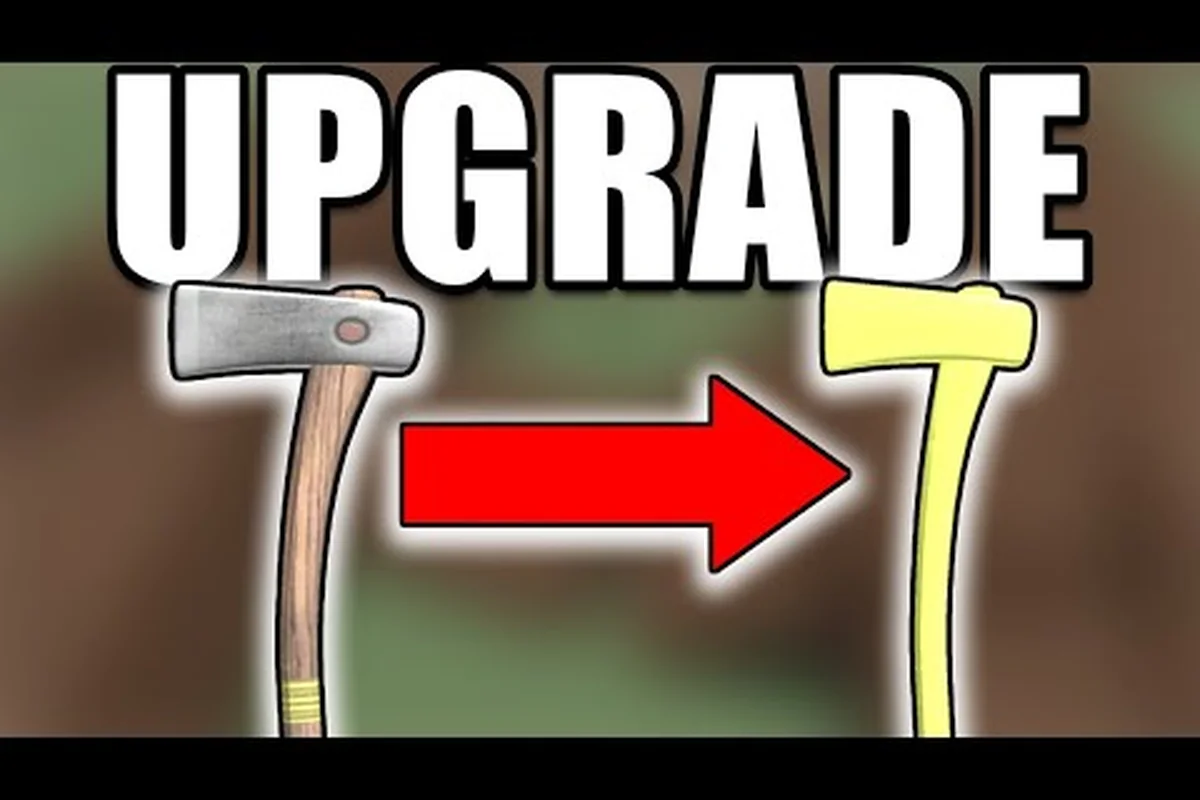
The lumber tycoon 2 basic hatchet is the first tool every player touches, and its humble 0.2 damage stat hides an important truth about early progression. Understanding this starter axe matters because it teaches you the core rhythm of chopping, selling, and upgrading that defines the entire game. This guide breaks down its exact stats, compares it to the next axes you will buy, and maps out a clear upgrade path so you never waste money on the wrong tool.
According to the Basic Hatchet page on the Lumber Tycoon 2 Wiki, the Basic Hatchet is the default tool given to new players and can chop most trees, though it is slower and less efficient than upgraded axes.
Basic Hatchet Baseline Stats
The Basic Hatchet is sold at Wood R Us for a small amount of in-game money, and the tutorial forces you to purchase one before you can progress. Its damage value sits at 0.2, which means a single swing removes only a tiny sliver of health from most trees. The swing cooldown is 0.65 seconds, giving it a calculated DPS of 0.3, which is low but consistent enough for the first few deliveries.
The range stat is 4.8 units, so you need to stand fairly close to a trunk before the blade connects. This short reach becomes noticeable when you try to hit larger trees like the Oak or Birch, because you often have to reposition after the tree shifts from your first few hits. The handle is a dull brown, while the head is a medium gray, and the in-game description reads that it will get the job done even though it is not the greatest axe.
| Stat | Basic Hatchet Value |
|---|---|
| Damage | 0.2 |
| Range | 4.8 units |
| Swing Cooldown | 0.65 seconds |
| DPS | 0.3 |
| Location | Wood R Us |
The low DPS means you should not try to clear large plots with this tool. Instead, focus on small trees near the spawn area, because the time you save by walking less matters more than the tiny damage difference between the basic hatchet and the next axe. Players who linger too long with this starter tool often report that their first Sawmill purchase feels painfully slow, simply because they spent too many minutes chopping with a tool that was never meant for bulk work.
Upgrade Path From Basic Hatchet
The first meaningful upgrade is the Plain Axe, which also comes from Wood R Us. Its damage jumps to 0.55, more than double the basic hatchet, and its range increases to 6 units, which makes a noticeable difference when you are circling a tree. The swing cooldown rises slightly to 0.73 seconds, but the higher damage pushes its DPS to 0.75, which is roughly two and a half times better than the starter tool.
The Stone Axe is a historical curiosity rather than a practical purchase, because it was removed from the game during early development and replaced by the basic hatchet. Community data shows the Stone Axe had 5 damage but a brutal 16-second swing cooldown, giving it the same 0.3 DPS as the basic hatchet despite the huge damage number. That long cooldown made it feel clunky, and the developers eventually swapped it out for the faster, lower-damage starter tool that new players use today.
| Axe | Damage | Range | Swing Cooldown | DPS |
|---|---|---|---|---|
| Basic Hatchet | 0.2 | 4.8 | 0.65s | 0.3 |
| Plain Axe | 0.55 | 6 | 0.73s | 0.75 |
| Stone Axe (removed) | 5 | 2 | 16s | 0.3 |
The upgrade decision is straightforward: buy the Plain Axe as soon as you have enough money, because the DPS increase is too large to ignore. Do not waste time saving for a distant high-tier axe while still using the basic hatchet, since the Plain Axe pays for itself quickly through faster wood deliveries. The axe stats breakdown covers the full numeric progression if you want to see how every later tool compares.
Early Game Money Strategy
Your first goal with the basic hatchet should be to earn enough for the Plain Axe, then immediately shift your focus to buying a Sawmill or upgrading your truck. The basic hatchet is not a tool you upgrade directly, because there is no enhancement system for it, so the only path forward is replacing it entirely. Players who understand this spend less time grinding and more time building their base.
A practical early loop looks like this: chop small trees near Wood R Us, carry the logs to the Wood Dropoff, and repeat until you can afford the Plain Axe. Because the basic hatchet has a short range, you should stand as close as possible to each trunk and aim for the center of the tree to avoid whiffing swings. The swing cooldown is fast enough that you can tap repeatedly without much timing skill, which makes the starter tool forgiving for new players.
-
Chop small trees near spawn to minimize walking time
-
Sell logs immediately instead of stockpiling them
-
Buy the Plain Axe before any cosmetic or vehicle upgrade
-
Use the basic hatchet only for the tutorial and first few deliveries
-
Avoid large trees like Oak until you have the Plain Axe
The basic hatchet teaches you the core loop without overwhelming you with mechanics. Once you replace it, you will notice how much faster the Plain Axe clears trees, and that contrast is exactly what the developers intended. The early game is about momentum, and lingering with the starter tool kills that momentum.
How Later Axes Compare
After the Plain Axe, the game opens up to a wide range of specialized axes, including the lumber tycoon 2 hardened axe, the lumber tycoon 2 amber axe, the lumber tycoon 2 pie axe, the lumber tycoon 2 overgrown axe, and the lumber tycoon 2 inverse axe. Each of these tools serves a different purpose, and understanding their roles helps you plan your long-term progression instead of buying randomly.
The Hardened Axe is a common mid-game tool that offers a solid balance of damage and durability, making it a reliable workhorse for players who chop large volumes of wood. The Amber Axe is rarer and often tied to special events or locations, while the Pie Axe is a novelty item that some players collect for its unique appearance rather than its cutting power. The Overgrown Axe and Inverse Axe are even more specialized, with the Overgrown variant often linked to nature-themed content and the Inverse variant featuring unusual stats or visual effects.
| Axe Type | Typical Role | Rarity |
|---|---|---|
| Hardened Axe | Mid-game workhorse | Common |
| Amber Axe | Event or location reward | Rare |
| Pie Axe | Novelty collector item | Event |
| Overgrown Axe | Nature-themed specialty | Rare |
| Inverse Axe | Unusual stat variant | Rare |
The jump from the basic hatchet to these later tools is massive, but you should not rush it. The best axe tier list ranks every tool by practical value, which helps you avoid spending money on a rare axe that performs worse than a common one. Community reports consistently show that DPS matters more than rarity for actual woodcutting, so a high-rarity axe with low damage is often a trap for new players.
Common Mistakes With Starter Axes
The most frequent mistake new players make is holding onto the basic hatchet for too long, because they assume the next axe is not worth the money. In reality, the Plain Axe pays for itself within a few deliveries, and every minute spent chopping with the starter tool is a minute of slower income. The second mistake is buying a high-rarity axe early, because those tools often require resources or access that new players do not have yet.
Another common error is ignoring the range stat. The basic hatchet forces you to stand close, and some players develop a habit of hugging trees even after upgrading to longer-range axes. That habit wastes the advantage of tools like the Plain Axe, which can hit from 6 units away, allowing you to position yourself more safely on uneven terrain. The bird axe guide explains how range and swing speed interact on more advanced tools.
-
Do not skip the Plain Axe to save for a rare axe
-
Do not stand too close after upgrading to longer-range tools
-
Do not ignore DPS in favor of raw damage numbers
-
Do not buy cosmetic axes before functional upgrades
-
Do not chop large trees with the basic hatchet
The basic hatchet is a teaching tool, and the lesson it teaches is that upgrades matter. Players who internalize that lesson move through the early game efficiently, while those who ignore it spend their first hour grinding with a tool that was never meant to carry them past the tutorial.
Frequently Asked Questions
Is the lumber tycoon 2 basic hatchet worth keeping?
No, the basic hatchet should be replaced as soon as you can afford the Plain Axe. Its 0.2 damage and 0.3 DPS are only meant to get you through the tutorial and your first few deliveries. Keeping it longer slows your income and makes every tree feel like a chore.
How much damage does the basic hatchet do?
The basic hatchet deals 0.2 damage per swing with a 0.65-second cooldown, giving it a DPS of 0.3. Its range is 4.8 units, which is short compared to later axes. These stats make it the weakest functional axe in the game.
What should I buy after the basic hatchet?
Buy the Plain Axe from Wood R Us as your first upgrade. It deals 0.55 damage with 0.75 DPS and a 6-unit range, making it more than twice as effective as the starter tool. After that, focus on a Sawmill and truck upgrades before chasing rare axes.
Can I upgrade the basic hatchet directly?
No, there is no enhancement or upgrade system for the basic hatchet. The only way to improve your chopping speed is to replace it with a better axe. The game expects you to buy the Plain Axe and then continue up the progression ladder.
Are rare axes like the amber or pie axe better than the basic hatchet?
Most rare axes outperform the basic hatchet in raw stats, but some are novelty items with poor practical value. The Amber Axe and Pie Axe are often collected for their appearance rather than cutting power. Check the axe stats guide before spending money on a rare tool.